



Thermal Analysis: Transformations Revealed by Heat Flow
How calorimetry, thermogravimetry and dilatometry reveal reactions, stability and transformation temperatures.
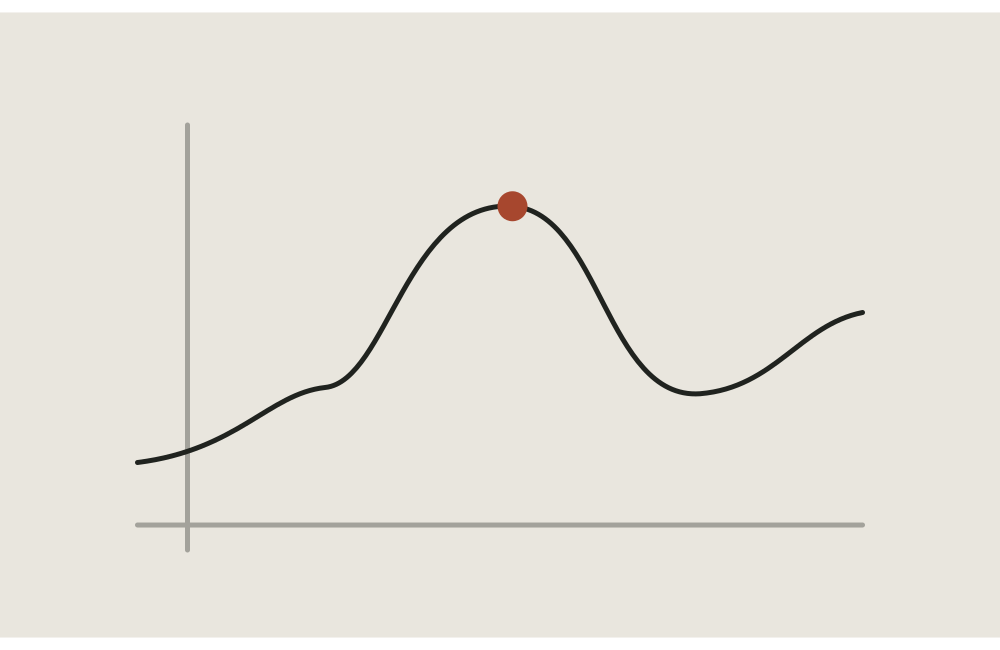
Thermal analysis tracks change
A controlled temperature program can reveal melting, crystallisation, curing, oxidation, decomposition and solid-state transformations. The signal depends on both thermodynamics and kinetics.
Differential scanning calorimetry
DSC measures differences in heat flow between sample and reference. Endothermic and exothermic events identify transformations and can quantify enthalpy under calibrated conditions.
Thermogravimetry
TGA records mass change during heating or holding. It is widely used for oxidation, decomposition, moisture, binder burnout and compositional estimation.
Dilatometry
Dimensional change reveals thermal expansion, sintering shrinkage and transformation strains. Heating rate, specimen geometry and atmosphere alter the result.
Working rule
Report atmosphere, heating rate, sample mass and thermal history. Transition temperatures are test conditions, not universal constants.