



Joining Materials and Interfaces
Welding, brazing, bonding and the behaviour of dissimilar-material interfaces.
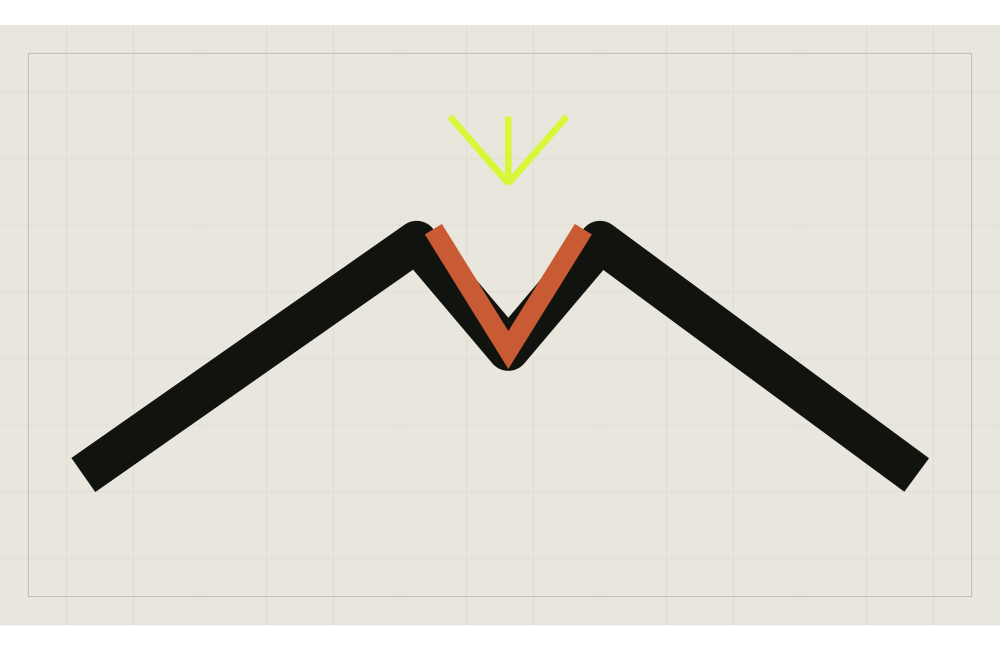
The joint is a new material system
Joining creates an interface with its own chemistry, structure, stress state and defects. The joint cannot be assessed only from the properties of the parent materials.
Fusion welding
The fusion zone solidifies like a small casting. The heat-affected zone experiences thermal cycles without melting and may soften, harden, sensitise or coarsen. Heat input and cooling rate govern these transformations.
Solid-state and lower-temperature routes
Friction welding and diffusion bonding limit melting-related defects. Brazing uses a lower-melting filler. Adhesive bonding distributes load and joins dissimilar materials but depends critically on surface preparation and environment.
Dissimilar joints
Differences in thermal expansion, melting temperature, electrochemical potential and brittle intermetallic formation can dominate performance.
Takeaway
Design the interface, thermal cycle and load path together. A visually sound bead is not proof of a reliable joint.